A beginner's guide to oud
What oud is, why it smells the way it does, and how to start wearing it — from soft, clean oud to deep, resinous blends — without being overwhelmed.
By Perfume X Market4 min read
Oud is the note people either love at once or need a second try to understand. It is woody, warm and a little smoky, with a depth nothing else in perfumery quite has, and it has been worn across India, Arabia and South-East Asia for centuries. If you are new to it, here is what it is and how to ease in.
What oud is
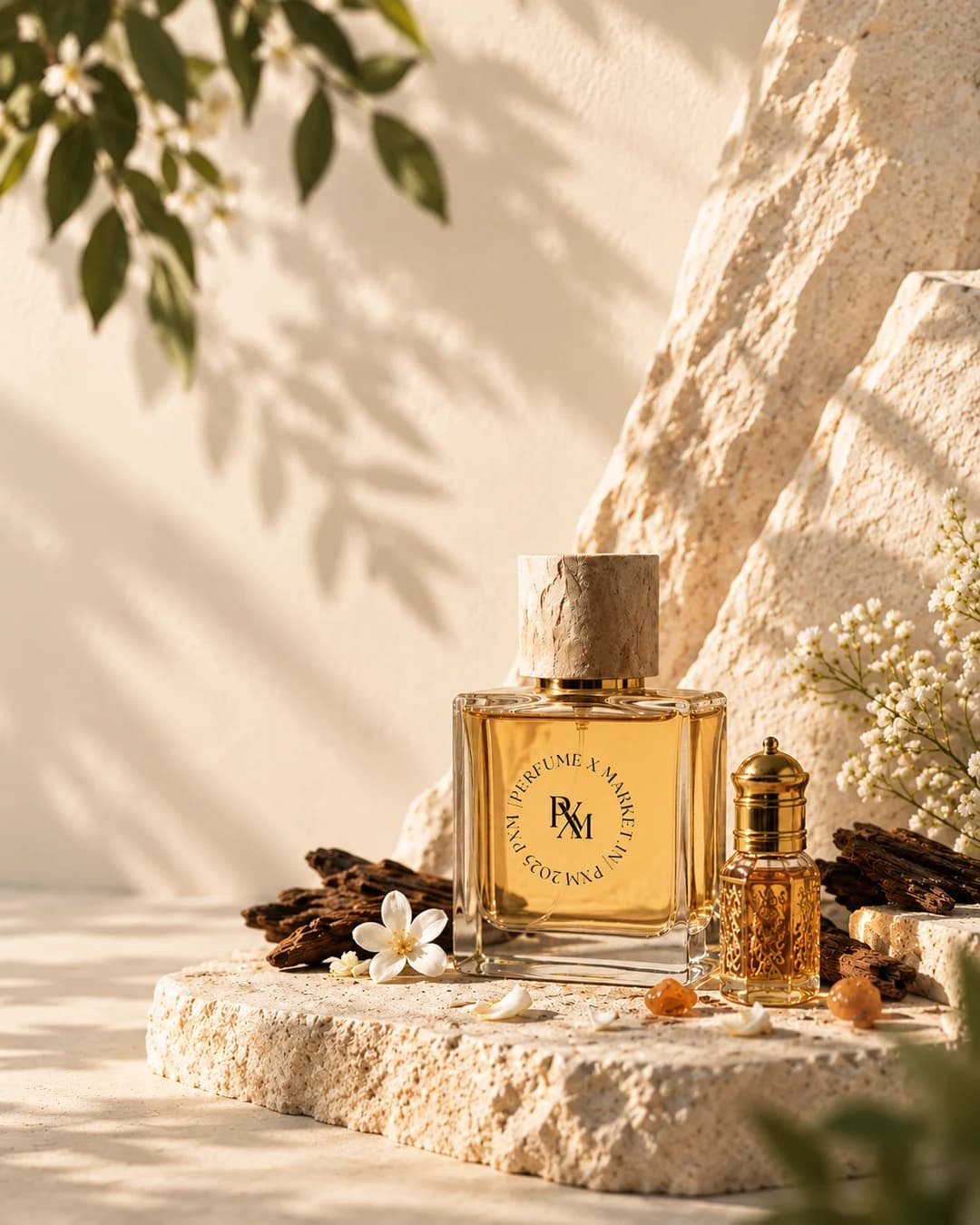
Oud — also called agarwood, oudh or aoud — comes from the heartwood of Aquilaria trees, which grow in India's north-east and across South-East Asia. When one of these trees is wounded and a mould gets in, it defends itself by filling the wood with a dark, fragrant resin. That resin-soaked wood is what is burnt as bakhoor and distilled into oud oil, and Assam has been known for it for a very long time.
Pure agarwood oil is rare and very costly — it is sold by the gram — so the oud in most perfumes, ours included, is a blend built to capture its character. That is what makes it possible to wear oud every day rather than once a year.
What oud smells like
Ask ten people and you will get ten answers, because oud changes with where it grows and how it is blended. The words that come up most are woody, like dark polished wood; resinous and warm; a little smoky; and in some blends, leathery. Good oud is never just one of these. It moves between them as it warms on your skin.
Start gently
The mistake most first-timers make is starting with the deepest oud on the shelf. Begin with a clean one and work your way up:
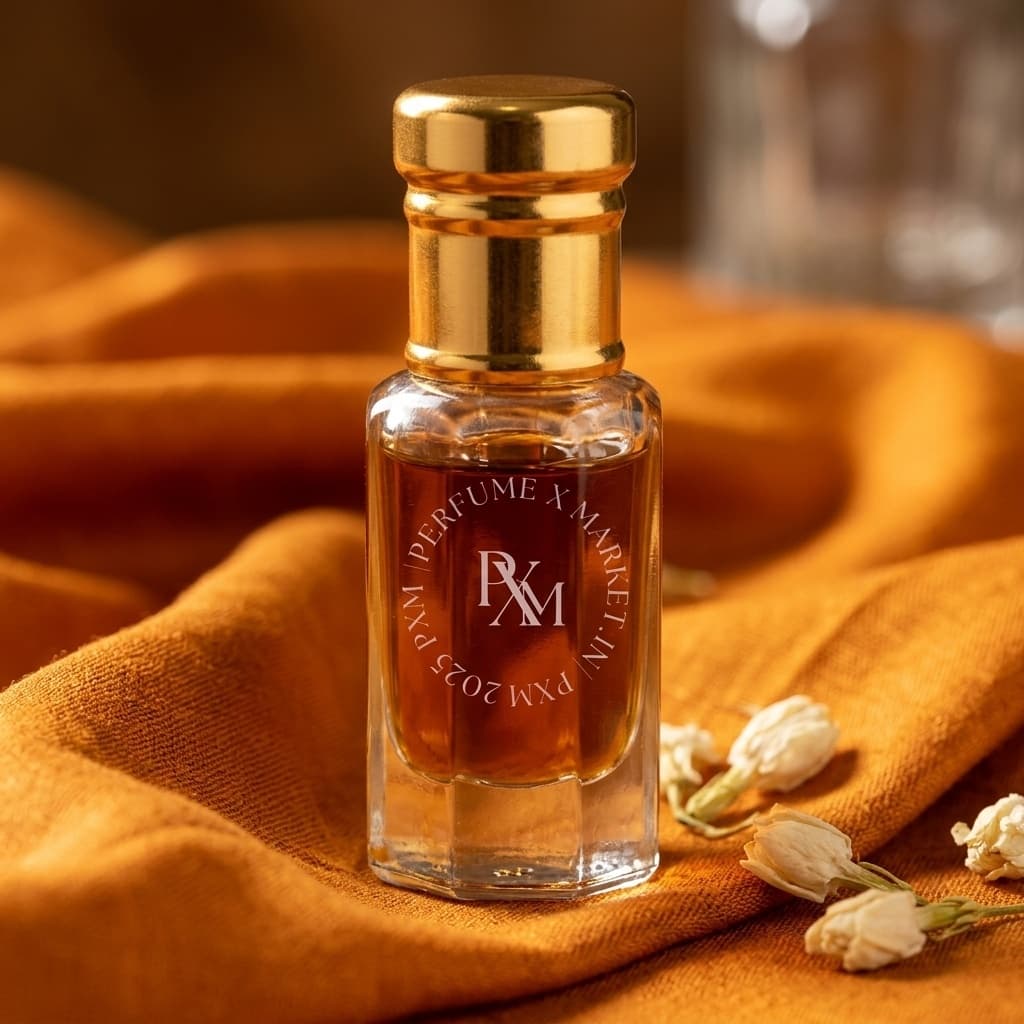
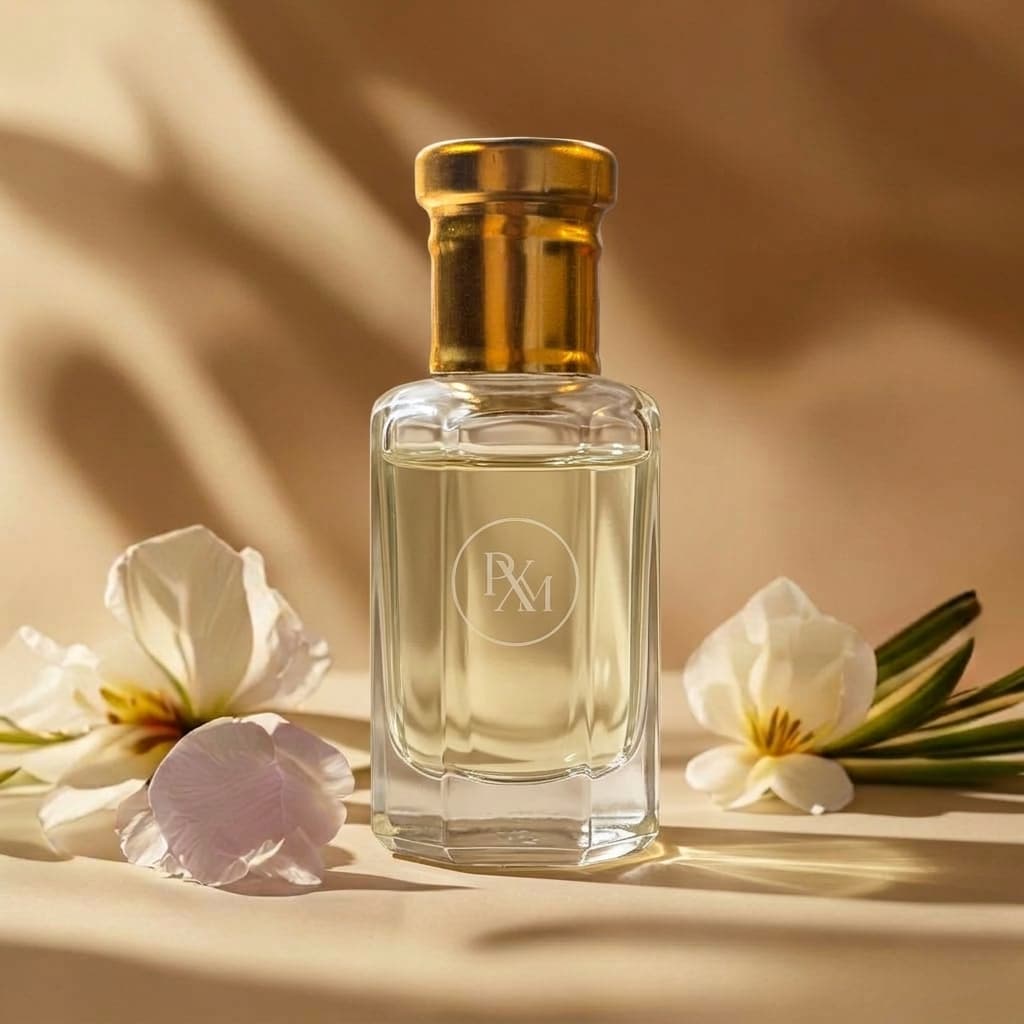
- White Oud — the cleanest oud we blend, softened with musk and cedar. The one to start with.
- Kashmiri Oud — woody and dry, with rose and sandalwood. The classic men's oud.
- Oud Ameer — resinous and deep, with saffron and amber. The richest oud we make.
Oud as a spray
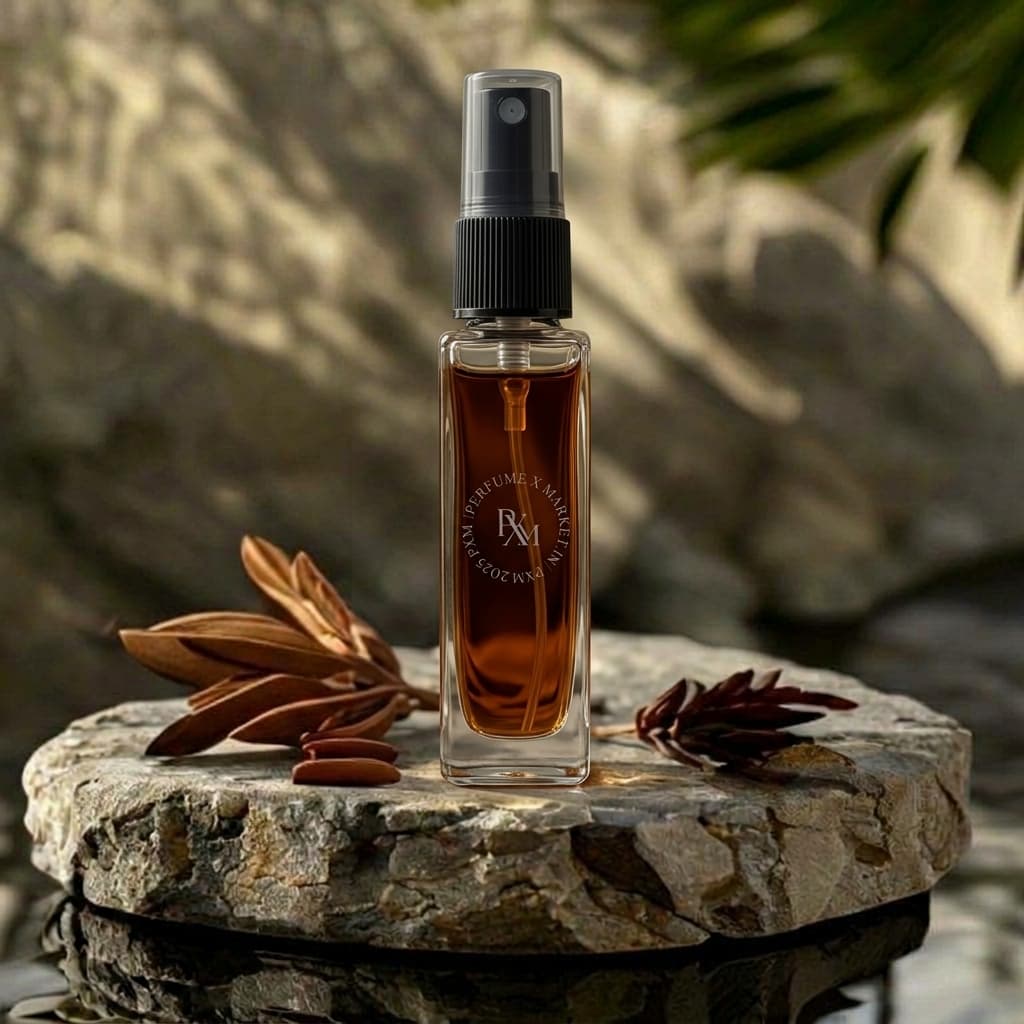
If you prefer a spray, oud works there too; it simply wears louder at first. Levendour Oud lifts oud with lavender, which makes it unusually fresh for the family. Tambaku Oudh pairs it with tobacco leaf and vanilla, and is inspired by Tom Ford Tobacco Oud. And Oud Ameer is also made as our flagship extrait. All three are in our Extrait de Parfum line, alongside every other oud on the shelf.
Which form should you choose? The attar wears closer and keeps its depth through the day, which suits oud's slow way of unfolding. The spray announces itself more in the first hour, which suits an evening out. Many oud lovers keep both: the attar on the skin, the spray on a scarf or a jacket.
Wearing oud well
- Less is more. One touch of an oud attar on each wrist is enough. It grows as it warms.
- Mind the room. Oud carries in closed, warm spaces. For the office or a long journey, use a lighter hand, or choose White Oud.
- Evenings and winter suit it best. Cool air softens oud's weight. In summer, save it for after sunset.
- Pair it. Oud and rose is a classic Indian and Arabian pairing; oud and musk is another. Our musk guide has ideas for layering.
Oud for occasions
Oud has a long place at Indian weddings, at Eid and at Friday prayers, and it makes a considered gift for someone who already loves deep scents. If you are choosing for someone else, our gift guide can help you decide between an attar and a spray, and which size to buy.
Questions, answered
Is oud only for men?
No. Oud is worn by everyone across India and the Gulf. Blends with rose or musk often read softer, and White Oud makes a good shared bottle.
Why is some oud so expensive?
Natural agarwood forms only in infected trees and takes years, so the pure oil is scarce. Blended oud fragrances capture its character at an everyday price.
Which oud should I try first?
White Oud. It is the cleanest, lightest oud we blend. Kashmiri Oud and Oud Ameer are the deeper steps after it.